
When you walk onto any championship-ready golf course, what do you experience? Firm, true greens, precisely edged fairways, and bunkers raked to perfection. This does not happen by accident. Behind every round played in ideal conditions stands a golf superintendent, the single most critical person responsible for deciding whether your course thrives or falls behind the competition.
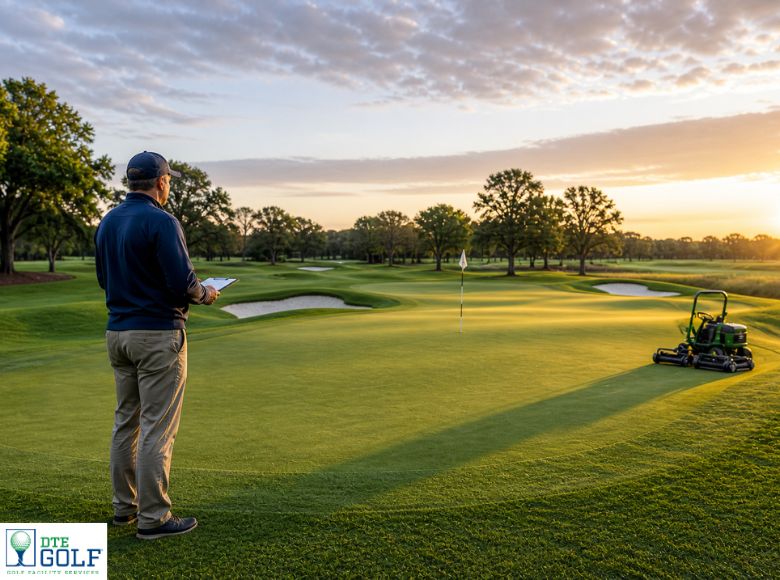
In a state where golfers expect perfect playing conditions and every course competes fiercely for tee times, it is important to understand what a great golf course superintendent actually does and why their decisions matter. This is essential for any property owner serious about golf course performance.
Multiple Roles of a Golf Superintendent in Course Management
A golf superintendent is far more than a groundskeeper. They are part agronomist, part operations manager, part weather forecaster, and part data analyst and they perform all of these roles before sunrise.
Golf superintendents have a clear primary mandate: deliver consistent playing conditions across every inch of the course, every day.
In practice, this means managing a highly complex living system where soil chemistry, irrigation timing, mowing heights, fertilization schedules, disease pressure, and weather variability all interact simultaneously. Missing even one variable can lead to visible issues that affect gameplay.
What separates an exceptional golf course superintendent from an average one is the ability to be proactive rather than reactive. Florida’s climate does not allow for reactive management. The heat, humidity, and frequent rainfall create constant pressure on turf.
Fungal diseases such as dollar spot, brown patch, and gray leaf spot can develop within 24 to 48 hours under unfavorable conditions. A superintendent who waits for visible symptoms risks falling behind quickly.
Daily Responsibilities That Drive Consistent Turf Performance
Consistent turf performance is built on systems—not last-minute fixes. Here is what effective golf course management looks like in practice:
Precision Mowing
Green speed is one of the most important aspects of the golfer experience. A superintendent sets precise mowing heights often measured in fractions of an inch—based on turf variety, seasonal conditions, and course usage. Cutting too low stresses the plant, while cutting too high affects playability.
Soil and Moisture Monitoring
Modern golf superintendent teams rely on tools such as soil moisture meters to monitor subsurface conditions in real time. This data informs irrigation decisions, ensuring consistent turf health, minimizing variability across the course, and reducing water waste. In Florida, where water regulations are becoming stricter, data-driven management is essential.
Integrated Turf Protection
Pest and disease control in golf course superintendent programs requires a highly customized approach. Florida turfgrass varieties such as Bermuda, Zoysia, and Paspalum each have unique seasonal vulnerabilities.
A skilled superintendent develops a property-specific agronomic plan, applying treatments at the right growth stages to maintain turf quality while minimizing unnecessary chemical use.
Aeration and Cultural Practices
Regular aeration is one of the most misunderstood aspects of golf course maintenance. While it may temporarily affect appearance, it is critical for long-term root development, drainage performance, and disease resistance.
A superintendent who properly times aeration and communicates its benefits builds trust with ownership while maintaining healthy playing surfaces throughout Florida’s demanding seasons.
The Importance of Communication in Golf Course Management
The best golf course superintendents are not only technically skilled—they are also strong communicators. Owners, general managers, members, and guests all have expectations about course conditions.
A superintendent who can clearly explain agronomic decisions, outline recovery plans, and set realistic expectations is invaluable.
High-level golf course management depends on trust—and trust is built through consistent, proactive communication.
Why Golf Superintendents Need Professional Support
Even the most experienced golf course superintendent cannot manage everything alone. Staffing limitations, equipment costs, and the scale of maintaining an 18-hole course to championship standards can challenge even well-resourced facilities.
This is where a trusted golf management partner adds value. Rather than replacing the superintendent, they enhance operations by providing skilled teams, professional-grade equipment, and reliable execution across daily maintenance tasks.
Final Thoughts on Golf Superintendent Expertise and Course Success
Exceptional golf course conditions are never the result of chance. They are the outcome of precision, discipline, and expert leadership.
A skilled golf superintendent turns complex turf challenges into consistently high-quality playing surfaces, ensuring every round meets expectations. For any course aiming to stand out, investing in the right expertise is not optional—it is a competitive advantage that drives long-term success.
FAQs on Golf Superintendent Expertise and Course Success
What is lawn fertilization, and how does it improve turf health?
Lawn fertilization involves adding essential nutrients such as nitrogen, phosphorus, and potassium to the soil. It supports root development, improves turf density and color, and enhances overall resilience.
How does lawn fertilization help prevent common turf diseases?
Proper fertilization strengthens grass, making it more resistant to stress, pests, and disease. Healthy turf is less likely to develop fungal infections and related issues.
How often should lawn fertilization be applied for best results?
Most turf areas benefit from fertilization two to four times per year, depending on grass type, soil conditions, and climate. Consistent scheduling ensures optimal results.
What are the signs that your lawn needs fertilization?
Common signs include yellowing grass, thinning or patchy areas, slow growth, and increased weed presence indicating nutrient deficiencies.
Can improper lawn fertilization lead to turf diseases?
Yes. Over-fertilizing or using the wrong fertilizer can damage turf and create conditions that promote disease and pest issues. Proper application is critical.
Partner With a Trusted Golf Course Management Team
For more than 30 years, DTE Golf® has been a trusted maintenance and golf management partner for facilities across Florida and the Southeast. Our teams work alongside golf course superintendents to deliver consistent turf performance and course quality that keeps golfers coming back.
From daily maintenance to full-service management programs, we bring the people, processes, and expertise your facility needs to succeed. Explore DTE Golf® Course Management and Maintenance Programs to learn more and maintain, manage, and maximize your course with confidence.