
Picture a golfer stepping onto your first fairway at 7 a.m. The turf is thick, uniformly green, and rolls true underfoot. That experience does not happen by accident, and it cannot happen without overseeding.
In the world of golf course lawn care, no single practice delivers a higher return on appearance, playability, and turf health than a disciplined overseeding program. Yet, it remains one of the most misunderstood and most frequently delayed elements of many golf course maintenance schedules.
What Is Overseeding and Why Does It Matter for Golf Courses?
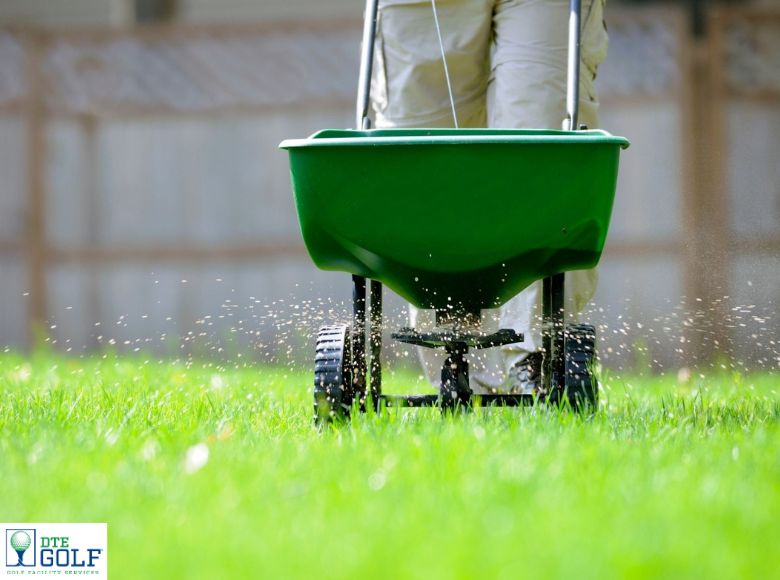
Overseeding is exactly what it sounds like: spreading grass seed directly over existing turf without tearing it up. The goal of overseeding is to introduce new, vigorous plants into areas where turf has thinned, become dormant, or been damaged by foot traffic, disease, or seasonal stress.
On a golf course, thin turf is not just unattractive; it is expensive. It leads to inconsistent ball lies, accelerated erosion, and an open invitation for weeds to colonize fairways and green surrounds. When performed correctly, overseeding creates a self-renewing turf canopy that can handle the demands of heavy play and extreme Florida heat far better than an aging stand of grass.
Industry research from the Golf Course Superintendents Association of America (GCSAA) shows that golf courses with annual overseeding programs report up to 40% fewer bare-spot remediation incidents and significantly higher golfer satisfaction scores year after year.
Why Aeration and Overseeding Work Better Together for Golf Courses
Overseeding alone is powerful. Aeration and overseeding together for golf courses are even more effective and can be true game changers.
Core aeration removes plugs of compacted soil, opens the root zone, and creates ideal seed-to-soil contact for germination.
When DTE Golf® pairs these two practices, new seed falls directly into aeration channels, where it is surrounded by loosened soil, improved moisture, and unobstructed oxygen. The result is faster germination, deeper roots, and a stronger turf profile that recovers from stress in days rather than weeks.
Best Time to Overseed Golf Courses for Healthy Turf Growth
Timing is everything. In Florida and throughout the Southeast, where warm-season grasses such as bermudagrass and zoysiagrass dominate, the standard overseeding window typically falls in autumn when soil temperatures cool into the ideal germination range.
However, a truly effective golf course maintenance schedule treats overseeding as a year-round discipline rather than a single seasonal event.
Practical Golf Course Overseeding Maintenance Schedule
In Florida and throughout the Southeast, warm-season grasses such as bermudagrass and zoysiagrass dominate most fairways, tees, and roughs. The standard overseeding window usually begins in autumn.
This is the period when daytime temperatures moderate and soil temperatures gradually fall into the ideal germination range for cool-season grasses such as perennial ryegrass. These conditions allow new seed to establish quickly while minimizing stress on the underlying warm-season turf.
However, effective overseeding is not simply a once-a-year task squeezed into the fall calendar. A strategic golf course maintenance schedule treats overseeding as a year-round management process that begins months before seed ever touches the soil.
Turf managers must first evaluate summer turf health, irrigation efficiency, soil compaction levels, drainage performance, and anticipated winter play demands. Courses with heavy traffic or tournament schedules often require earlier planning to maintain consistent turf coverage and playability throughout the cooler months.
Preparation generally begins in late summer with gradual adjustments to fertilization programs and mowing heights. Verticutting, aerification, and debris removal are commonly scheduled before seeding to improve seed-to-soil contact and encourage uniform germination.
At the same time, irrigation systems are inspected and calibrated to support the delicate watering cycles required during early turf establishment.
The actual overseeding window may vary depending on regional climate patterns, grass variety, and course usage. In many parts of Florida, superintendents aim to overseed when nighttime temperatures consistently begin dropping into the mid-60s while daytime temperatures avoid excessive heat stress.
Overseeding too early can create intense competition with actively growing bermudagrass, while overseeding too late can delay germination and result in thin winter turf coverage.
Once germination occurs, the maintenance schedule continues with carefully timed mowing practices, nutrient applications, disease monitoring, and traffic management strategies.
Throughout winter, turf managers must balance aesthetics, playability, and turf health while preparing for the eventual spring transition back to warm-season growth. This transition phase is equally critical because improper management can weaken bermudagrass recovery and impact turf quality heading into peak summer conditions.
Why Golf Course Overseeding Is Not One-Size-Fits-All
Choosing the wrong seed variety, applying seed at the wrong soil temperature, or skipping topdressing after seeding can cause even a well-intentioned program to fail.
Grass type, soil profile, drainage characteristics, and local climate all determine which overseeding approach will actually succeed. This is why DTE Golf® builds every maintenance program around the specific agronomic profile of each course rather than using a generic template.
For more than 30 years and across more than 800 holes of golf, DTE Golf® technicians have developed the kind of field knowledge that only comes from working through thousands of real turf situations firsthand.
They understand the difference between a ryegrass variety that will thrive through a Central Florida winter and one that will thin out before February. They also know exactly when to time spring overseeding to capture the ideal soil temperature window without disrupting peak-season tee times.
Final Thoughts on Golf Course Overseeding and Turf Health
Overseeding is far more than a seasonal turf upgrade. It is one of the most important long-term investments a golf course can make in playability, aesthetics, and turf resilience.
When combined with strategic aeration, precise timing, and expert agronomic planning, overseeding creates stronger fairways, healthier root systems, fewer bare spots, and a consistently premium golfer experience year-round.
Frequently Asked Questions About Golf Course Overseeding
What Is Overseeding and Why Is It Important for Turf Health?
Overseeding is the process of spreading new grass seed over existing turf to improve density, color, and overall health. It helps repair worn areas, reduce weed growth, and keep lawns and golf turf looking lush and healthy year-round.
How Often Should Overseeding Be Done To Maintain a Green Lawn Year-Round?
Most lawns and golf courses benefit from overseeding once a year, typically during the grass type’s ideal growing season. High-traffic turf areas may require more frequent overseeding to maintain consistent coverage and playability.
What Are the Best Grass Types for Overseeding in Different Climates?
Cool-season grasses such as perennial ryegrass and fescue are commonly used for overseeding in warmer Southern climates during winter. In cooler regions, Kentucky bluegrass and tall fescue are popular choices for maintaining dense, healthy turf.
Can Overseeding Help Repair Thinning or Damaged Turf Areas?
Yes. Overseeding is one of the most effective ways to restore thinning, patchy, or damaged turf. When combined with proper watering, fertilization, and aeration, it promotes stronger grass growth and faster turf recovery.
What Is the Best Season for Overseeding for Optimal Grass Growth?
Fall is generally the best time to overseed because cooler temperatures and consistent moisture create ideal germination conditions. However, timing may vary depending on grass type, climate, and regional growing conditions.
Partner With DTE Golf® To Build a Proactive Overseeding and Aeration Strategy
Do not wait until worn-out fairways, thinning roughs, and stressed turf begin affecting playability and golfer satisfaction.
Partner with DTE Golf® to build a proactive overseeding and aeration strategy that keeps your course lush, resilient, and championship-ready throughout every season.
Schedule your consultation today with DTE Golf® and give your golfers the premium playing experience they expect from the very first tee box to the final green.