
Every round of golf leaves something behind, but on a busy course, grass clippings can quickly become more than a cleanup task. For an 18-hole facility handling 200 or more rounds a day, unmanaged clippings can smother turf, increase disease pressure, interfere with mowing, and make fairways look worn and tired.
For golf course superintendents and turf managers, effective grass clipping management is not about keeping the course looking neat. It is about protecting turf health, maintaining consistent playing conditions, and delivering the quality golfers expect every time they step onto the course.
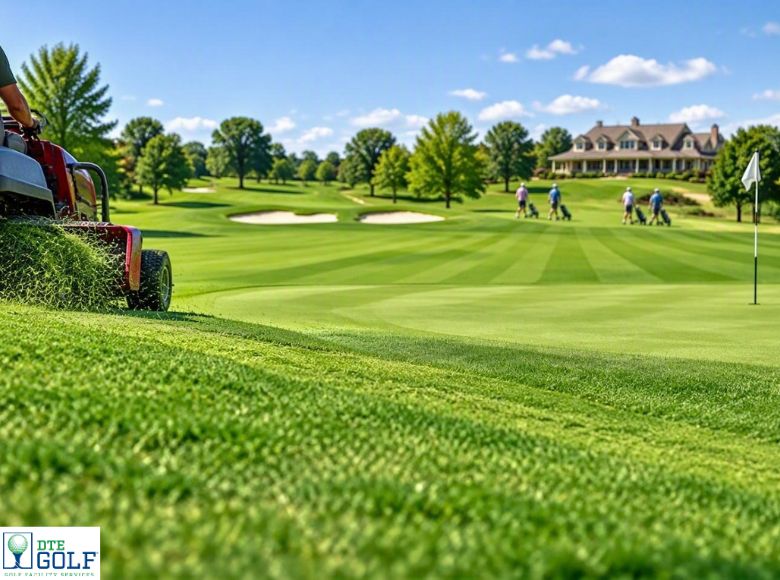
Key Takeaways
- High traffic speeds up clipping accumulation and slows natural breakdown.
- Removing clippings from stressed areas cuts disease and thatch risk.
- Mowing frequency and blade sharpness matter as much as collection.
- Rapid growth periods need a different clipping strategy than dormancy.
- A trusted maintenance partner keeps the program consistent all season.
What Is Grass Clipping Management in Golf Course Management?
Grass clipping management is the practice of deciding when to return, collect, or redistribute the clippings left after mowing. It is a core piece of golf course management, sitting alongside irrigation, aeration, and fertility planning.
On low-stress turf, returning clippings recycles nitrogen and saves labor. On high-traffic turf, that same practice can trap moisture against the crown of the grass and invite trouble. The right call changes hole by hole, and even day by day.
Why Grass Clipping Management Matters on a Busy Golf Course
Foot traffic, cart tires, and daily mowing all compact the soil beneath the turf. Compacted ground drains more slowly, so clippings sit wetter and longer than they would on healthy, aerated turf. That combination of compaction and clipping buildup is a fast track to fungal disease and thinning grass.
Superintendents at high-volume facilities often report cutting fairways two to three times a week in peak season, compared with once weekly on lighter-play courses. More mowing means more clippings and more decisions about where to put them.
According to the USGA Green Section, some courses have found that collecting fairway clippings with triplex mowers improved manageability and reduced summer wilt on stressed turf, a finding that still holds up decades later.
Best Practices for Grass Clipping Management on High Traffic Golf Courses
Match the Method to the Traffic
High-wear zones, including cart entry and exit points, greens surrounds, and walk-off areas, do better when clippings are collected rather than left to mat down.
Mow Dry, Mow Often
Wet clippings clump. A slightly higher mowing frequency with a dry cut produces finer clippings that break down faster and disperse more evenly, even when returned.
Keep Blades Sharp
A clean cut reduces tearing and shredding, which helps minimize the stress and debris caused by ragged cuts and excessive clippings sitting on the leaf surface.
Watch New Sod Grass Closely
Recently laid sod grass has a shallow root system and cannot tolerate smothering. Clear clippings promptly from any new sod grass area until it is established.
Adjust for Growth Spurts
During spring flushes or rainy-season growth, clipping volume can double almost overnight. That is the time to shorten the mowing interval rather than let volume pile up between cuts.
How DTE Golf® Helps With Grass Clipping Management
DTE Golf® builds clipping management into its daily golf course maintenance programs rather than treating it as an afterthought. Crews adjust mowing frequency and collection by hole, traffic pattern, and season, so fairways stay playable and turf stays protected, even during the busiest stretches of the calendar. That kind of hands-on, course-specific golf course management is what has kept DTE Golf®’s partner facilities consistent for over 30 years.
Final Thoughts
Grass clipping management is a small daily task with a big cumulative effect on a high-traffic golf course. When clippings build up, they can affect turf health, appearance, mowing quality, and overall playability. Getting mowing frequency, collection practices, and seasonal adjustments right helps keep fairways cleaner, healthier, and better prepared for the demands of consistent play.
The goal is not simply to remove grass clippings whenever they become noticeable. It is to build a maintenance routine that responds to actual course traffic, turf growth, weather, and seasonal conditions. With a proactive approach, superintendents can reduce unnecessary buildup, protect the playing surface, and help the turf withstand whatever the tee sheet throws at it.
FAQs
How Does High Traffic Affect Grass Clipping Accumulation and Decomposition on Golf Course Turf?
Traffic compacts soil and slows drainage, so clippings break down more slowly and sit against the turf longer, raising the risk of smothering and disease compared with lighter-play areas.
What Mowing and Grass Clipping Management Practices Are Most Effective for High Traffic Golf Courses?
Frequent, dry mowing with sharp blades, paired with selective collection in high-wear zones, keeps clipping levels within what the turf can handle without matting or increasing disease pressure.
When Should Grass Clippings Be Removed Instead of Returned to High Traffic Turf Areas?
Remove clippings whenever turf is wet, compacted, recovering from stress, or planted with new sod, particularly where the extra organic load would outweigh the nutrient benefit.
How Can Grass Clipping Management Reduce Disease and Thatch Risks on Heavily Used Golf Courses?
Regular removal in stressed zones limits the moisture and organic matter that fungal pathogens and thatch layers feed on, keeping the turf’s surface drier and more resilient.
How Should Grass Clipping Management Change During Periods of Rapid Turf Growth?
Shorten the mowing interval so less volume accumulates per cut, and lean toward collection rather than returning clippings until growth rates settle back down.
Ready to Protect Your Fairways With Better Grass Clipping Management?
Talk to DTE Golf® about a daily maintenance program built around your course’s actual traffic patterns, mowing demands, and turf conditions. From managing grass clipping buildup to maintaining healthier, more consistent playing surfaces, DTE Golf® can help you develop a practical approach. Keep your fairways looking better and performing stronger, day after day with us.