
A renovation can turn a good golf course into a destination or into a cautionary tale. The difference rarely comes down to the architect’s drawings or the contractor’s equipment. It comes down to planning, and at the center of that planning stands the golf course superintendent.
Members judge the finished product. But the golf course superintendent inherits it, maintains it, and answers for it every morning afterward.
Lock down these six priorities before the first shovel hits the ground.
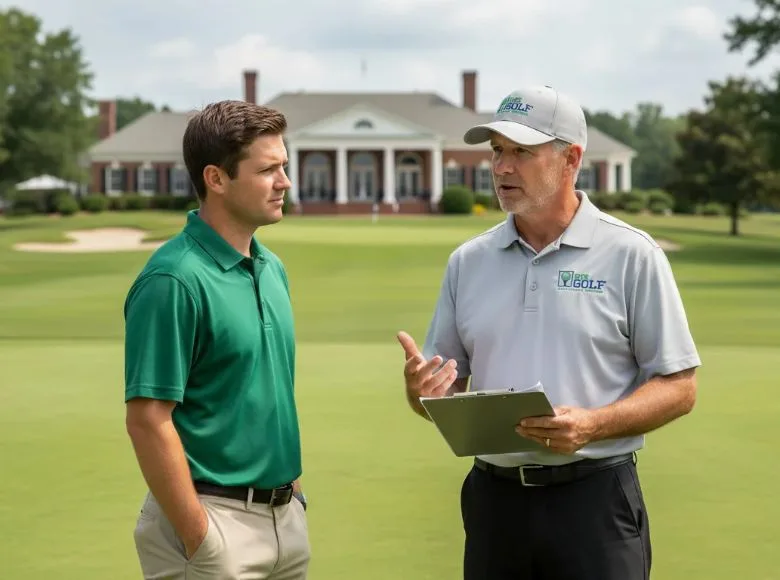
Why Planning Decides the Outcome
Basic planning and communication can avoid, or at least reduce, most common renovation pitfalls. Industry columnist Bradley Klein puts it bluntly: without proper superintendent planning, a renovation can end in delays, budget overruns, and repairs long afterward. The USGA’s guide to avoiding common golf course renovation pitfalls is worth reading before you begin. You can also explore Golf Course Industry’s renovation advice.
1. Build a Master Plan With Clear Goals
Start with a vision. What should the course become, and what must it never lose? Golf architects agree that a long-term master plan, stretching ten or more years, lets clubs phase work as budgets allow.
A golf superintendent who brings agronomic reality to that plan keeps the design buildable and maintainable. Climate, soils, and staffing all belong at the table. Put your priorities in writing for owners and boards so expectations stay aligned.
2. Complete Site Assessments Before Anything Else
Skipped assessments become change orders. Every golf course superintendent should document existing conditions before the design is finalized.
Area | Assess First | What It Reveals |
Greens | Rootzone, organic matter, contour surveys | Rebuild vs. rehabilitate |
Fairways | Turf, weed and disease mapping, compaction | Regrassing vs. targeted repair |
Bunkers | Sand depth, drainage, washout patterns | Rebuild scope and potential labor savings |
Drainage | Topography, outlets, wet-area mapping | Root causes behind turf decline |
Irrigation | Audit, pipe age, pump and controls | Replace, repair, or redesign |
3. Evaluate the Irrigation System Early
Open trenches are the cheapest time to fix irrigation. Audit heads, pipe age, pump stations, controls, and coverage against the new layout, not the old one. Installing new greens over failing infrastructure is an expensive mistake. Irrigation decisions also shape golf course maintenance costs for decades.
4. Rank Projects by Turf Condition, Drainage, and Lifetime Cost
Not every problem deserves first place. Score each area based on turf condition, drainage failure, impact on playability, and annual upkeep. Drainage usually takes priority because standing water undermines everything built above it.
Then ask what each project saves over time. A bunker rebuild that prevents constant washouts can return labor hours to your crew every season.
5. Schedule Around Season and Play
Every location has a season best suited for renovation, and putting the golf calendar ahead of the construction schedule is a common mistake. Warm-season grasses in Florida grow fastest in summer, so many projects run then.
Brief members, the golf professional, and neighbors early. Plan temporary greens, cart routes, and closure messaging so disruption feels managed rather than chaotic.
6. Plan the Grow-In and Post-Renovation Golf Course Maintenance
Construction ends, but the real work begins. Grow-in determines whether the investment pays off. Budget labor, equipment, fertility, and mowing for new turf, and update your maintenance programs to match. Strong golf course management means the crew is ready before the contractors leave.
How DTE Golf® Helps
For over 30 years, DTE Golf® has partnered with golf facilities across Florida and the Southeast, maintaining more than 800 holes. Our Renovation and Construction team has the equipment and expertise to take a project from start to finish.
Consider our Twin Rivers greens renovation. We removed the old turf, replaced the greens mix, fumigated, and grew in new TifEagle greens, reopening on September 13, 2024. Combined with daily maintenance and full golf management programs, our services give your superintendent a partner at every stage.
Final Thoughts
Renovations are won in the planning room. A prepared golf course superintendent turns assessments into priorities, priorities into a schedule, and a schedule into turf golfers rave about. Plan boldly, sequence wisely, and never treat grow-in as an afterthought.
FAQs
How Should Golf Course Superintendents Prioritize Renovation Projects Based on Turf Conditions, Drainage Performance, and Long-Term Maintenance Costs?
Rank each area by drainage failure, turf decline, playability impact, and yearly upkeep. Fix drainage problems first, followed by projects that reduce recurring labor or input costs.
What Role Does Irrigation System Evaluation Play in Developing a Comprehensive Golf Course Renovation Plan?
It shows whether pipes, pumps, and controls can support the new design. Open trenches can make upgrades less expensive, and irrigation coverage can be adjusted to match new layouts.
How Can Superintendents Schedule Golf Course Renovations to Minimize Operational Disruption and Protect Playing Conditions?
Use your region’s best growing window, phase work by area, and communicate early. Temporary greens and clear closure notices help protect the member experience.
Which Site Assessments Should Be Completed Before Renovating Greens, Fairways, Bunkers, and Drainage Systems?
Complete rootzone and organic matter testing, contour and topography surveys, turf and weed mapping, sand depth and drainage checks, and an irrigation audit.
How Can Golf Course Superintendents Evaluate the Long-Term Return on Investment of Renovation Projects While Balancing Playability and Maintenance Requirements?
Compare project costs against potential labor, water, and input savings, along with possible rounds and revenue gains. Balance these benefits against the maintenance demands of the new design.
Transform Your Course: Start Planning Your Golf Course Renovation With DTE Golf®
Ready to plan your golf course renovation? DTE Golf® brings the experience, equipment, and expertise to help you transform your course and improve playing conditions. Call DTE Golf® to discuss your renovation goals and project needs. You can also contact our team to get started on a plan tailored to your facility.