
A great golf experience depends on more than pristine greens and well-maintained bunkers. Behind every smooth round is a reliable fleet of golf carts that keeps players moving and operations running efficiently. Yet golf cart maintenance is often overlooked until breakdowns, delays, and player complaints begin to surface. When maintenance becomes reactive instead of proactive, costs rise, service suffers, and the overall course experience can quickly decline.
Courses that manage fleets effectively do not treat cart maintenance as a separate department. Instead, they make it an essential part of their daily operations. Here is what that looks like in practice.
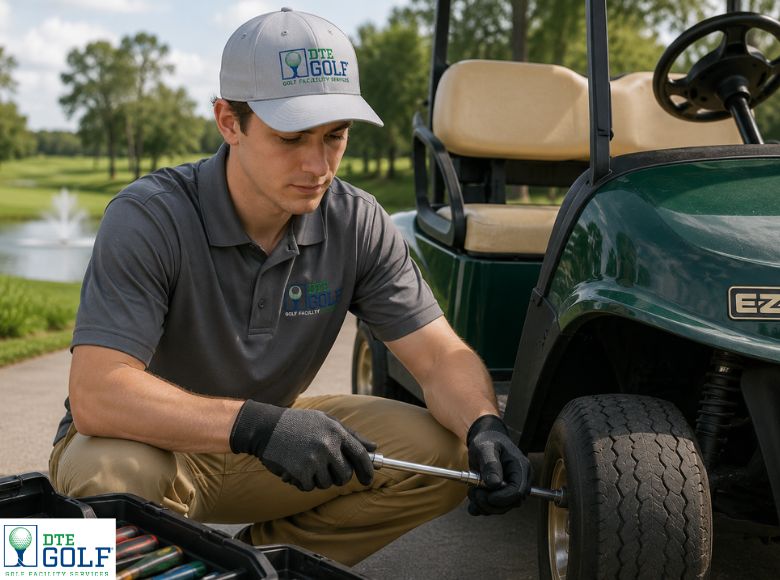
Why Golf Cart Maintenance Should Be Part of Golf Course Management
Most golf course maintenance programs are built around turf outcomes, including mowing schedules, fertility programs, irrigation windows, and bunker-raking rotations. Fleet maintenance, by contrast, is often managed informally. A staff member checks carts when something breaks, or a repair call is placed when a golfer reports a problem at the turn.
The issue is operational. A 60-cart fleet with eight units out of service for golf cart repair on a Saturday morning is not just an inconvenience. It is a revenue issue. Cart fees are a major source of income at many facilities, and tee-sheet management cannot absorb last-minute fleet shortages without creating noticeable service problems.
Treating cart maintenance as a parallel system rather than an afterthought is one of the most important operational improvements golf course facilities can make.
When cart maintenance is integrated into daily staff briefings, issues are identified earlier, repair cycles become shorter, and managers have accurate fleet-availability data before the first tee time rather than after the first complaint.
Golf Cart Fleet Daily and Weekly Maintenance Checklist
High-traffic facilities and municipal golf course operations should increase the frequency of daily inspections during peak season.
Maintenance Area | Daily Check | Weekly Check | Repair Trigger |
Battery Systems | Check charge levels and clean terminals | Load-test batteries and check water levels (for flooded batteries) | Reduced range or slow acceleration |
Tires and Wheels | Perform a visual inspection for flats or damage | Measure tire pressure and inspect tread wear | Uneven ride or pulling to one side |
Brakes | Listen for grinding or dragging noises | Inspect brake pads and cable tension | Increased stopping distance |
Electrical Systems | Test lights, horn, and reverse-alert systems | Inspect wiring for fraying or corrosion | Flickering displays or blown fuses |
Bodywork and Seats | Clean and inspect for damage | Check seat bolts and canopy hardware | Visible cracks or loose fittings |
For a deeper reference on fleet-inspection standards, the Golf Course Superintendents Association of America publishes equipment-management guidelines used by facilities across the country.
Key Ways to Integrate Golf Cart Maintenance Into Golf Course Operations
1. Include Fleet Status in Morning Staff Meetings
Every golf course maintenance meeting should begin with a fleet-readiness report alongside turf and weather updates. How many carts are available? Which units were flagged the previous day? Is any scheduled golf cart repair likely to reduce morning availability?
Spending five minutes reviewing fleet status at the start of the day can prevent operational issues later in the morning.
2. Use a Documented Fault-Reporting System
When a cart returns with a complaint such as a dragging brake, charging issue, or warning light, the information should be recorded in a maintenance log rather than relying on verbal communication.
Digital work-order systems used for golf course management can capture fleet issues using the same workflow applied to turf and irrigation maintenance. Repair requests can then be assigned, tracked, and completed without being overlooked.
3. Prioritize Preventive Maintenance Over Reactive Repairs
The most expensive aspect of fleet management is emergency repair work. Unexpected parts orders, labor disruptions, and temporary replacement units all increase operating costs.
A preventive-maintenance calendar that follows manufacturer recommendations and reflects course-specific usage patterns can significantly reduce these expenses. Battery servicing, brake inspections, tire rotations, and electrical-system checks should be planned maintenance activities rather than responses to failures.
4. Conduct Seasonal Fleet Audits
Busy periods such as spring openings, tournament weeks, and summer peak seasons often expose maintenance issues that have been deferred.
A preseason fleet audit helps identify carts that require battery replacement, bodywork repairs, or mechanical servicing before demand increases. This is particularly important for municipal golf course operations, where fleet downtime during peak public-play periods can directly affect revenue and customer satisfaction.
How Golf Cart Maintenance Reflects Overall Course Quality
Fleet condition plays a major role in how golfers perceive a facility. A clean, well-maintained cart demonstrates the same attention to detail as a freshly raked bunker or a properly maintained approach area. On the other hand, a cracked seat or weak battery creates a negative impression regardless of how well the course itself is maintained.
Many golfers spend four to five hours using a cart during a round. Because of this, the cart becomes one of the most visible touchpoints in the overall customer experience. Consistent maintenance helps ensure that every interaction reinforces the quality standards of the facility.
Final Thoughts
Golf cart maintenance is far more than a repair function. It is an essential component of effective golf course management. Integrating fleet maintenance into daily operations improves reliability, reduces downtime, supports revenue generation, and enhances the overall player experience.
Facilities that hold their fleet to the same standards as their agronomy program often see benefits in player satisfaction, repeat rounds, and positive reviews. This alignment is not simply about appearance. It is about delivering a consistently high-quality golf experience from the first tee to the final hole.
FAQs
Why is golf cart maintenance important in golf course operations?
Golf cart maintenance plays a critical role in keeping daily golf course operations running smoothly. Reliable carts improve the player experience, reduce service disruptions, and help prevent unexpected breakdowns. Regular maintenance also extends the lifespan of the fleet and lowers long-term repair costs.
How can golf cart maintenance be integrated into daily course management?
Golf cart maintenance can be incorporated into daily operations through routine inspections, cleaning, battery checks, and performance assessments. Establishing a maintenance schedule helps staff identify issues before they become serious problems. This proactive approach supports consistent fleet availability throughout the day.
What are the most common golf cart repair issues?
The most common golf cart repair issues include battery failures, tire wear, brake problems, electrical malfunctions, and steering-system faults. Frequent use and exposure to outdoor conditions can accelerate wear on key components. Regular inspections help detect these issues early and reduce downtime.
How does proper golf cart maintenance support golf course management efficiency?
Proper golf cart maintenance minimizes equipment failures and keeps more carts available for players during peak hours. It reduces the need for emergency repairs and helps staff manage resources more effectively. A dependable fleet contributes to smoother operations and a better overall golf course experience.
Ready to Improve Fleet Reliability and Player Satisfaction?
A well-maintained golf cart fleet is essential to smooth operations, strong revenue, and a positive player experience. By making golf cart maintenance part of your daily golf course management strategy, you can reduce downtime, prevent costly repairs, and keep your course running at its best.
Contact DTE Golf® today to learn how our team can help you build a proactive maintenance program that protects your fleet, supports your staff, and enhances the golfer experience.