
One overwatered fairway can undo a month of agronomic work. One underwatered green can lose you a member. In Florida, where courses swing between drenching summer storms and bone-dry winter stretches, water is not a background utility. It is the single input that can determine whether turf survives the season or spends it recovering. Yet water management is still treated as an afterthought on too many properties.
This is a common scenario on neglected Florida properties: Sprinkler heads run on the same schedule they did five years ago. Soil moisture is checked by eye rather than by sensor. Superintendents patch problems after they surface instead of preventing them. The result is predictable: thin turf, rising utility bills, and playing conditions that swing wildly from one week to the next.
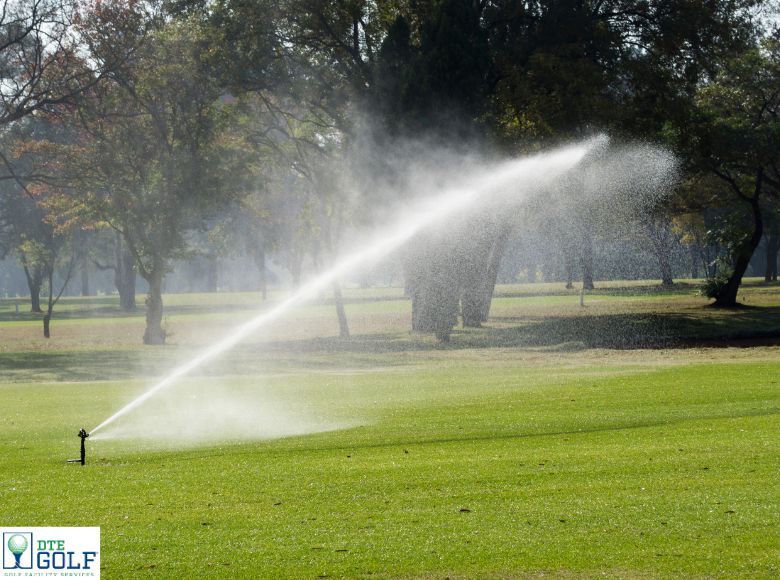
The Real Cost of Poor Water Management
Water touches everything on a golf course, from root depth to green speed to the club’s bottom line. When irrigation is mismanaged, the damage rarely stays contained to one area.
Shallow, frequent watering trains turfgrass roots to remain near the surface, leaving fairways more vulnerable to drought stress and disease when conditions become challenging. Overwatered greens turn soft and spongy, slowing ball roll and frustrating low-handicap golfers. Underwatered roughs become patchy and brown, which golfers notice before they notice almost anything else about a course.
Then there is the financial side. Florida golf course maintenance budgets are dominated by water and labor costs, and an inefficient irrigation system quietly burns through both.
Courses running on outdated controllers or poorly calibrated heads can waste 20 to 30 percent of the water they apply. According to industry irrigation audits, courses often waste water by watering areas that do not need it while starving the ones that do.
What Effective Water Management Actually Looks Like
Strong golf course irrigation programs are built on data, not habit. That means:
- Soil moisture monitoring across greens, tees, and fairways, so watering decisions reflect actual conditions instead of the calendar.
- Zone-specific scheduling that accounts for slope, sun exposure, soil type, and turfgrass species rather than applying one blanket program across the whole course.
- Deep, infrequent irrigation that encourages roots to grow downward, building drought tolerance instead of dependency.
- Routine system audits to catch broken heads, pressure issues, and coverage gaps before they show up as dead patches.
- Weather-based adjustments that scale watering up or down based on real-time rainfall and evapotranspiration data.
The table below shows how reactive water management compares to a proactive, data-driven approach across the metrics that matter most to owners and superintendents.
Factor | Reactive Water Management | Proactive Water Management |
Irrigation scheduling | Fixed calendar, rarely adjusted | Soil moisture and weather-based |
Root development | Shallow, drought-prone | Deep, resilient |
Water usage | 20 to 30% wasted on average | Optimized by zone |
Disease pressure | Higher due to overwatering | Reduced; turf stays firm and healthy |
Playing conditions | Inconsistent from week to week | Consistent and predictable |
Annual water cost | Rising and unpredictable | Lower and trackable |
A Case Study in Turnaround: Twin Rivers Golf Club
Twin Rivers Golf Club, an 18-hole championship course in Central Florida, went through a full green renovation after years of inconsistent turf performance. Part of the challenge was not just the greens mix. It was the water program supporting it. The renovation paired new TifEagle greens with a rebuilt irrigation and moisture monitoring system, with watering adjusted by zone rather than running a single blanket schedule across the property.
The result was a course that reopened with firmer, healthier putting surfaces and a maintenance team positioned to protect that investment going forward, rather than watching conditions regress as they had in prior seasons. It is a pattern seen across the DTE Golf® portfolio: Courses that pair agronomic expertise with disciplined water management can see improvements hold season after season, rather than fading by the following summer.
For a deeper technical look at how professional turf managers approach seasonal watering strategies, the USGA Green Section publishes ongoing agronomic research worth bookmarking.
Water Management Is a Discipline, Not a Task
Golf course management, at its core, is water management. Every other input, such as fertility, mowing, aeration, and disease control, depends on getting moisture right first. Courses that treat irrigation as a strategic discipline, backed by real data and experienced oversight, consistently outperform those that treat it as a daily chore.
This is the difference between a course that survives a Florida summer and one that thrives through it.
Final Thoughts
The best water management programs do more than keep turf alive. They protect the long-term health, playability, and financial performance of the entire property. In Florida’s unpredictable climate, the goal should not be to react when turf begins to struggle but to anticipate what the course needs before problems appear.
With accurate data, properly maintained irrigation systems, and a consistent agronomic strategy, golf courses can use less water while producing stronger, more resilient turf and more predictable playing conditions. For owners and superintendents, water management is more than a maintenance decision; it is a long-term investment in the course itself.
Frequently Asked Questions
What Are the Best Practices for Effective Water Management in Golf Course Operations?
Effective water management starts with monitoring soil moisture, weather conditions, and turf needs. Courses should use zone-specific irrigation, deep and infrequent watering, and regular system audits. This helps maintain healthy turf while minimizing water waste.
How Often Should Golf Courses Use Irrigation for Optimal Turf Health?
Golf courses should irrigate based on actual turf and soil conditions rather than a fixed daily schedule. Deep, less frequent watering encourages stronger root growth and improves drought tolerance. Weather, rainfall, soil type, and evapotranspiration should guide irrigation timing.
What Role Does Irrigation Technology Play in Golf Course Water Management?
Modern irrigation technology allows superintendents to monitor moisture levels and adjust watering precisely by zone. Smart controllers, weather data, and soil moisture sensors help prevent overwatering and underwatering. This improves turf health while making water use more efficient.
How Can Proper Water Management Reduce Golf Course Maintenance Costs?
Efficient water management reduces unnecessary water consumption, energy use, and irrigation-related labor. Healthier turf also requires fewer repairs and can experience less disease and stress. Over time, these savings can significantly improve the efficiency of the maintenance budget.
What Common Water Management Mistakes Can Affect Golf Course Performance?
Common mistakes include overwatering, underwatering, relying on outdated irrigation schedules, and ignoring soil moisture data. Poorly maintained sprinkler heads and uneven irrigation coverage can also create inconsistent turf conditions. These issues can increase costs and negatively affect course playability.
Let’s Talk About Your Course’s Water Program
If your fairways are inconsistent, your water bill keeps climbing, or your irrigation system has not been audited in years, it is definitely worth a second look. DTE Golf® has spent more than 30 years helping golf facilities across Florida and the Southeast build smarter maintenance and irrigation programs that protect turf and budgets alike. Proactive golf course maintenance can be a valuable investment.
Contact DTE Golf® today to schedule a consultation with our golf course consulting team and start building a water program that works as hard as you do.